Mastering the AP Chemistry exam requires more than memorizing facts—it demands the ability to recognize recurring mathematical and chemical patterns that simplify complex equations. By systematically uncovering these hidden structures, students can solve problems faster, reduce errors, and increase their chances of scoring at the highest level.
Why Patterns Matter in AP Chemistry
Mathematical Symmetry in Equations
Many AP Chemistry problems rest on underlying arithmetic relationships. For instance, the stoichiometric ratio of reactants often follows a simple integer sequence that, once identified, eliminates the need for trial‑and‑error calculations.
Balancing Chemical Equations: A Predictable Path
Balancing equations is essentially a system of linear equations. Recognizing that certain coefficients repeat across related reactions allows students to apply a “copy‑and‑paste” strategy, saving valuable test time.
Step‑by‑Step Discovery Process
Identify the Core Variables
Start by isolating key quantities—molar mass, concentration, volume, temperature—and noting how they appear in the problem statement. Listing them on a sheet creates a visual map of the equation’s skeleton.
Apply Repeating Units and Ratios
Look for standard molar volumes (22.4 L at STP) or common ionic charges. Once a recurring factor is spotted, replace it with a shorthand (e.g., V₁ = 22.4 L) to streamline subsequent algebra.
Use Visual Tools to Spot Trends
- Graph the relationship between concentration and volume; linear graphs often hint at direct proportionality.
- Color‑code coefficients to see symmetry across reaction steps.
Practical Applications for the Exam
Quick Reference Sheets
Create a one‑page cheat sheet that lists common ratios (e.g., 1 mol H₂ + 0.5 mol O₂ → 1 mol H₂O) and standard molar volumes. Keep it in your study pocket to consult during timed practice.
Timed Practice Sessions
Simulate exam conditions by timing yourself on pattern‑rich problems. Track accuracy and speed improvements to gauge mastery over time.
Planning Your Study with a Calendar
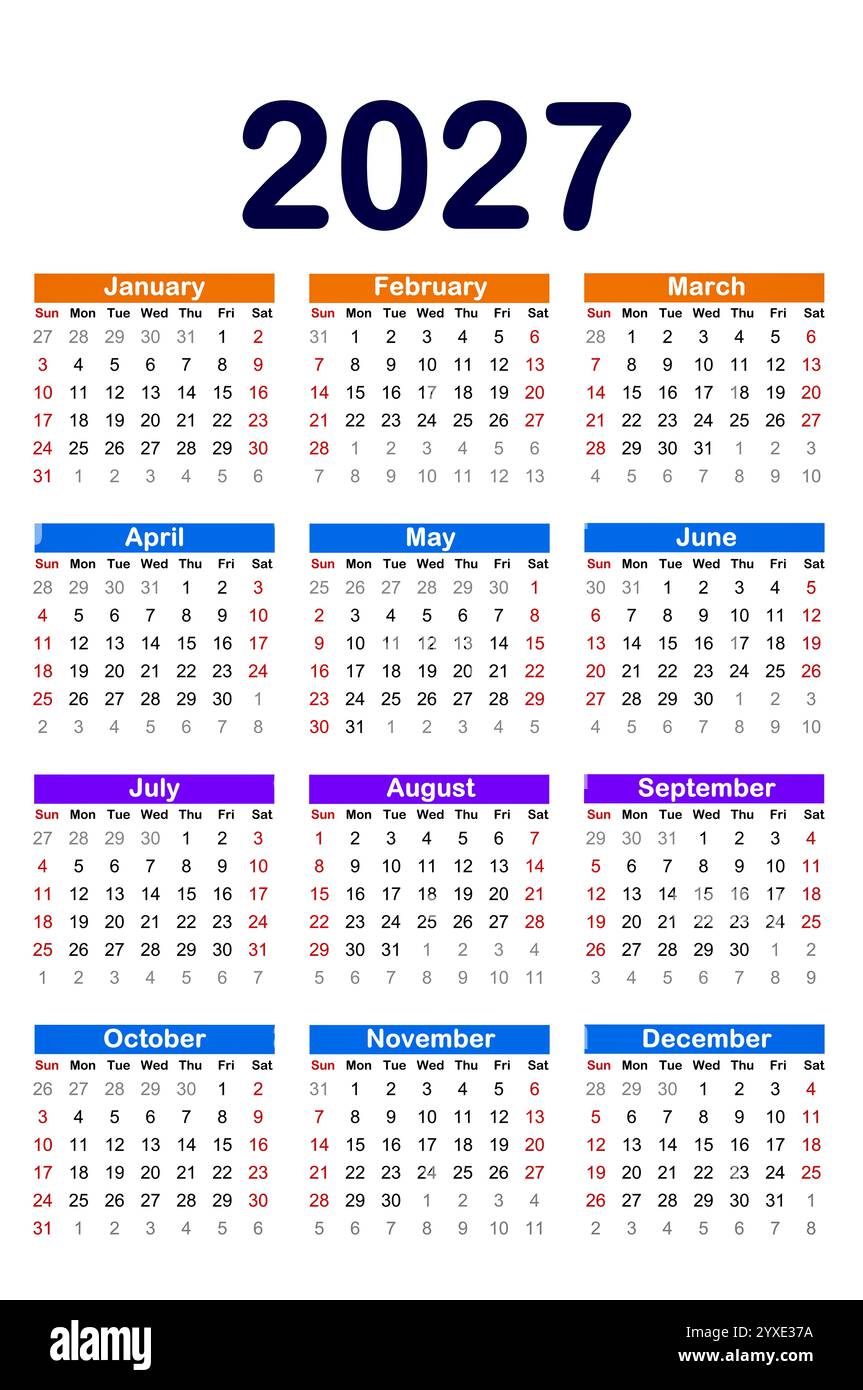
Organizing your review schedule turns pattern discovery from an abstract skill into a daily habit. Allocate specific blocks for different equation types: stoichiometry, equilibrium, kinetics, and thermodynamics. Consistent practice cements the patterns in muscle memory.
Allocate Time Blocks for Pattern Practice
Use the calendar to mark “Pattern Drill” sessions—short, focused 20‑minute intervals that concentrate on a single reaction type. Rotate the topics weekly to ensure balanced coverage.
Final Recommendations
1. Start Early: The first week of AP Chemistry courses is ideal for spotting fundamental patterns before the workload intensifies.
2. Teach Others: Explaining patterns to classmates forces you to articulate the logic clearly, reinforcing your own understanding.
3. Review Mistakes: After each practice test, dissect errors to discover whether a missed pattern was the culprit.
By weaving pattern recognition into a structured study plan and reinforcing it through visual tools, students can transform daunting equations into predictable, solvable puzzles—setting the stage for that perfect AP Chemistry score.