The phrase “shadows edge Jackie Chan” has surfaced in online art forums as a shorthand for a high‑energy shading technique that mimics the bold, kinetic outlines seen in Jackie Chan’s movies. Artists looking to add dramatic depth to their characters—especially beloved Sanrio icons like Keroppi—are adopting this style to give flat drawings a punchy, three‑dimensional feel without complex lighting rigs.
Why the “shadows edge” concept matters to illustrators
Traditional cartoon shading often relies on soft gradients that can make a character feel static. By contrast, “shadows edge Jackie Chan” emphasizes crisp, directional shadows that trace the contour of a pose, much like the exaggerated motion blur in action cinema. This approach helps a simple line drawing capture movement, tension, and personality in a single frame, which is especially valuable for hobbyists and content creators who produce quick‑turnaround sketches for social media.
Applying edge shadows to a Keroppi sketch
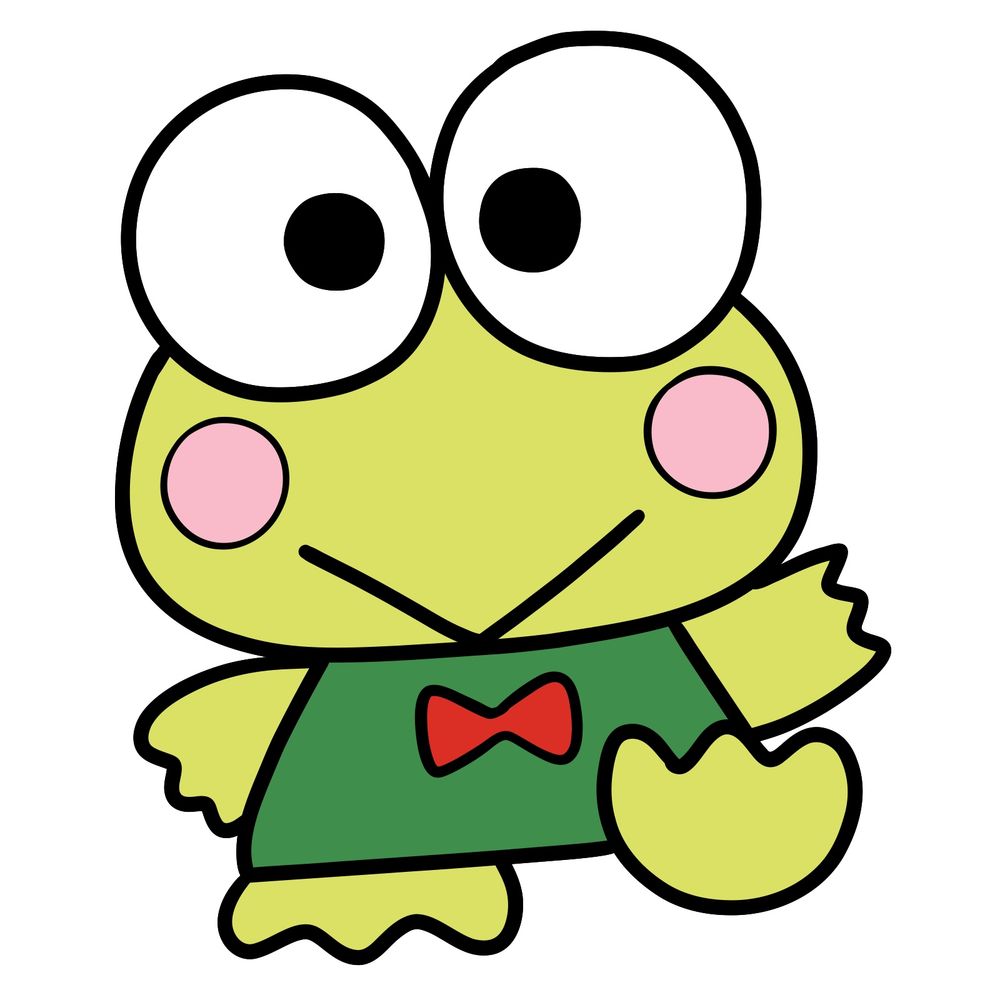
Keroppi’s round head and playful demeanor make him an ideal test subject for the technique. Begin with a clean outline, then identify the light source—most tutorials recommend a top‑right light to keep the composition balanced. Using a thin, dark line, trace the edge where the light drops off, creating a “shadow edge” that follows the curve of Keroppi’s cheek and the underside of his arms. This stark line adds instant depth, turning a flat silhouette into a figure that appears ready to leap.
Practical steps for a clean “Jackie Chan” edge
- Define the light direction. Sketch a faint line from the light source to the character’s highest point; this keeps shadows consistent.
- Use a hard‑edge brush. Digital tools like a 2‑pixel brush or a fine‑tip pen replicate the sharpness seen in action‑film silhouettes.
- Layer shadows strategically. Place the darkest edge along the most recessed plane (e.g., under the chin), then lighten progressively toward the illuminated side.
- Highlight contrast. Pair the edge shadows with a single bright highlight on the top of the head or nose to reinforce the directional light.
Following these steps, the completed Keroppi illustration will display a clear separation between light and dark, echoing the dynamic visual language that made Jackie Chan’s fight scenes memorable.

Cautions: When the edge becomes too harsh
While the “shadows edge” method can boost visual impact, overusing hard edges may make a drawing feel cartoonish in an unintended way. Artists should test the technique on a duplicate layer first, then soften any edges that clash with the overall style. Additionally, keep an eye on color balance; a black edge paired with bright colors can dominate the composition, pulling attention away from the character’s expression.
What this means for the wider art community
Adopting “shadows edge Jackie Chan” offers a quick route to professional‑looking depth, especially for creators who share work on platforms where eye‑catching imagery drives engagement. As more tutorials reference Keroppi and other Sanrio characters, the technique is likely to spread beyond fan art, influencing branding, comic strips, and even animation pre‑visualization. By mastering this simple yet effective shading style, artists can keep their work lively, readable, and ready for the fast‑paced demands of today’s visual media.
Download Sanrio Keroppi The Frog Wallpaper | Wallpapers.com
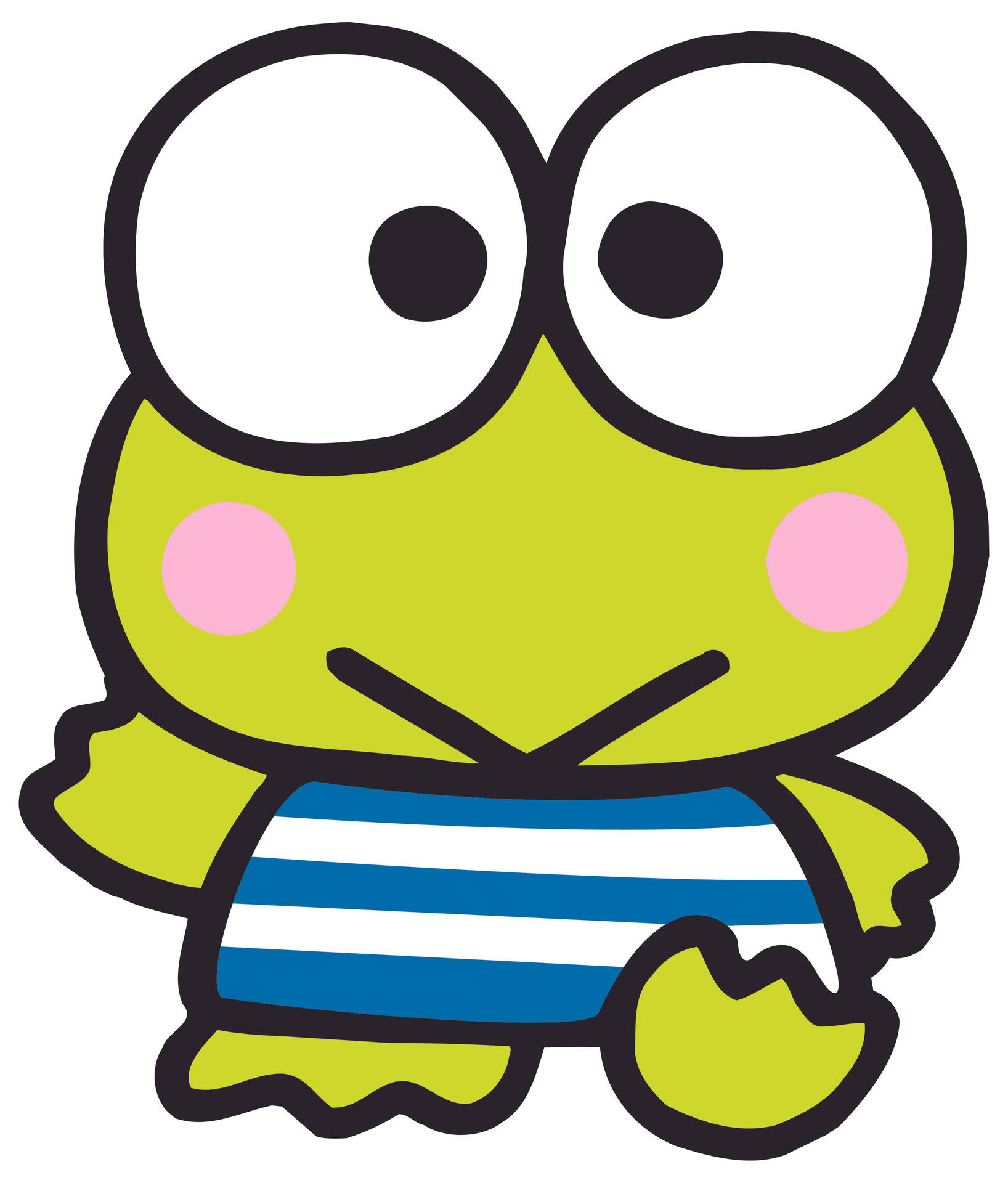
Download Sanrio Keroppi The Frog Wallpaper | Wallpapers.com
Keroppi Coloring Page To Print Free Printable Coloring Pagesyo Gabba
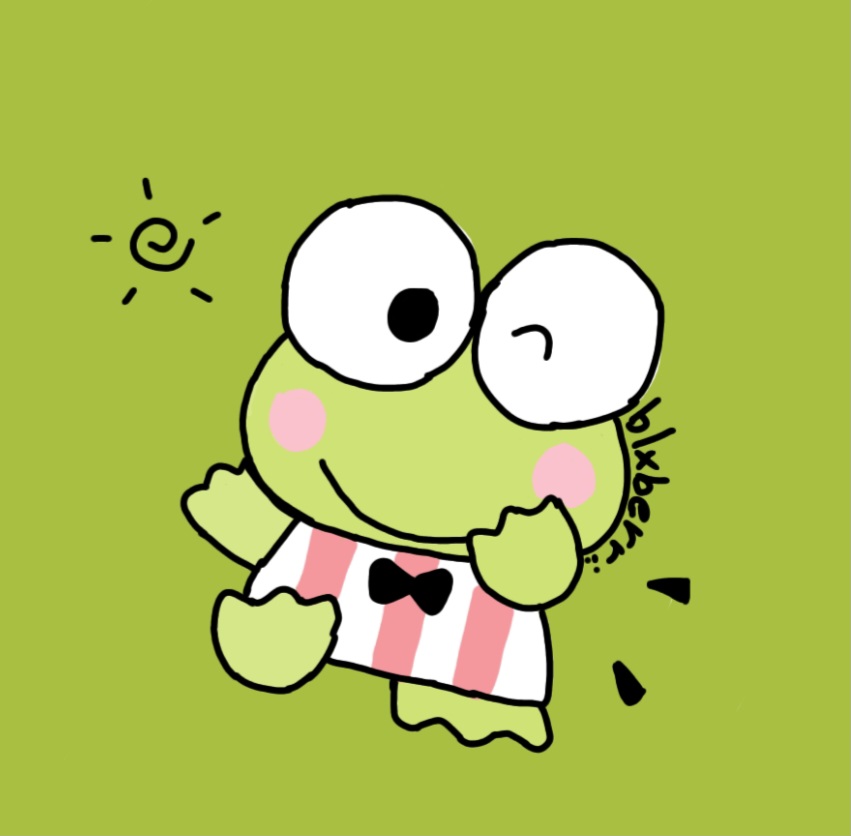
Keroppi Coloring Page To Print Free Printable Coloring Pagesyo Gabba ...
Top 999+ Keroppi Wallpaper Full HD, 4K Free To Use
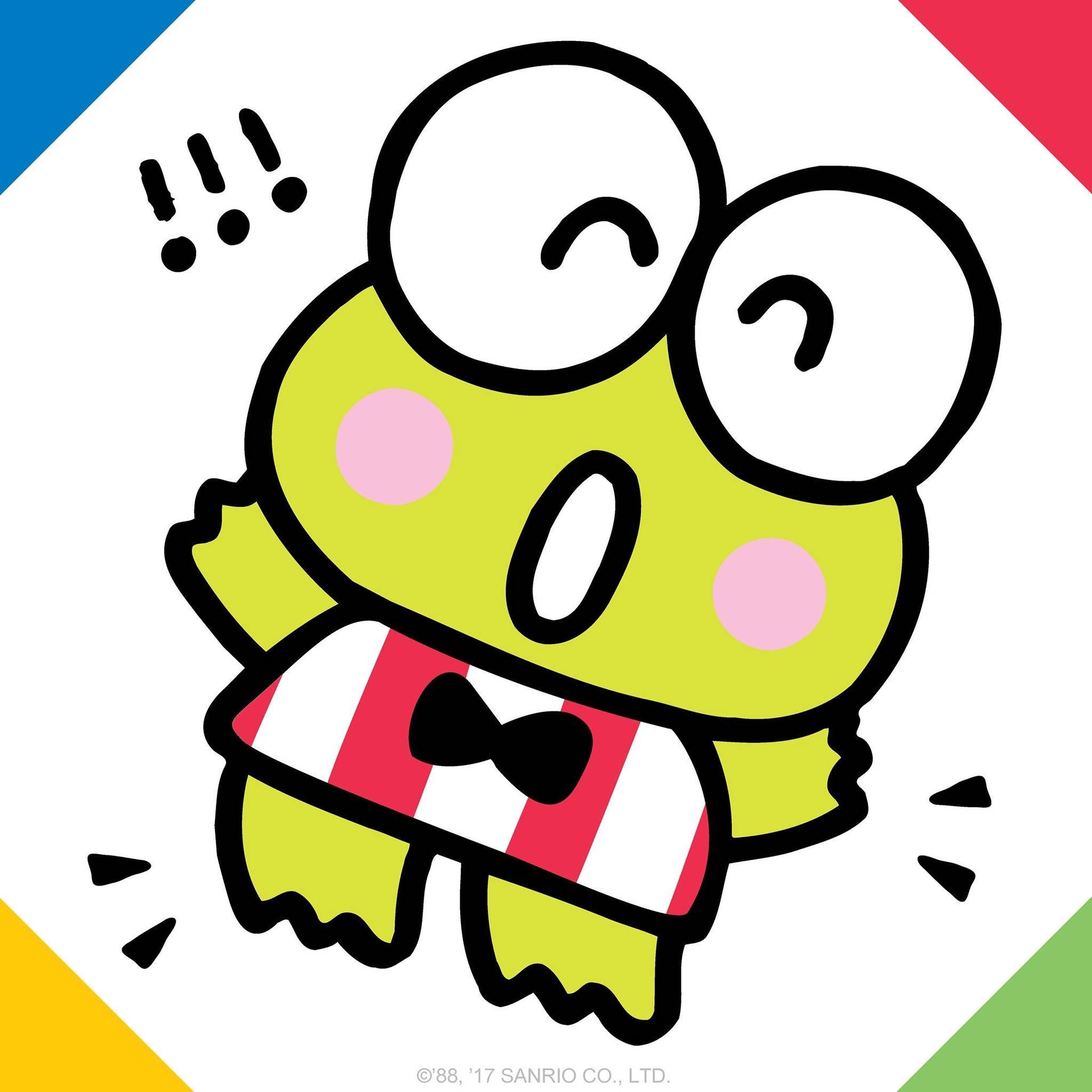
Top 999+ Keroppi Wallpaper Full HD, 4K Free to Use